“They buried my body
And they thought I’d gone,
But I am the Dance,
And I still go on.”

“Lord of the Dance”
Words: Sydney Carter, 1963
Music: Sydney Carter (based on “Simple Gifts” by Joseph Brakett, 1848)
Although we associate the word “carol” with singing, it derives from a word having to do with dance. It is appropriate then that several Christmas carols highlight this aspect of carolling (even if most of us would look askance at a caroller who opted to dance down the aisles during a carol service).
The song in question is a recent one, having been written in 1963. It is called “Lord of the Dance” (no relation to Michael Flatley). If you are sceptical of a modern carol, don’t be. This is one of the most underrated carols. It is boisterous and powerful. Seriously. Give it a listen. It draws inspiration from the far older carol, “Tomorrow Shall Be My Dancing Day.” These carols are interesting in that they are sung from the first person perspective of Jesus, and both trace out His life in the form of a dance.
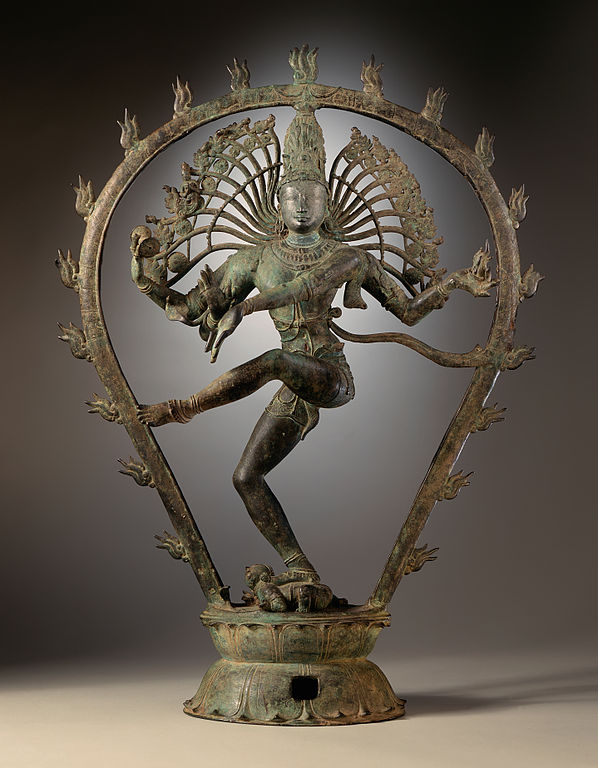
What makes this comparison powerful is the correspondence of bodily movement to life flowing in. In the case of Jesus it was Divine life, filling Him with the Divine Love that sustained Him through all things, even to the bitter end and beyond:
I danced on a Friday
When the sky turned black
It’s hard to dance
With the devil on your back.
They buried my body
And they thought I’d gone,
But I am the Dance,
And I still go on.Refrain
They cut me down
And I leapt up high;
I am the life
That’ll never, never die;
I’ll live in you
If you’ll live in me –
I am the Lord
Of the Dance, said He.
Not only does a dance display life flowing in, it is also participatory. In other words, the Lord invites us to take part in His dance. The refrain doubles down on the invitation to participate in the Lord’s dance, and by extension to participate in His Divine life:
Dance, then, wherever you may be,
I am the Lord of the Dance, said He,
And I’ll lead you all, wherever you may be,
And I’ll lead you all in the Dance, said He
Likewise the older song, “Tomorrow Shall be My Dancing Day” returns consistently to the refrain that all that Jesus did, He did “to call My true love to My dance.” The Lord did not live on Earth for His own sake. He lived on Earth so that He might call us to take part in the very same Divine Life that was in Him, the life that is the light of men. The Teachings of the New Church go so far as to say that nothing has life, movement, or even existence apart from Him:
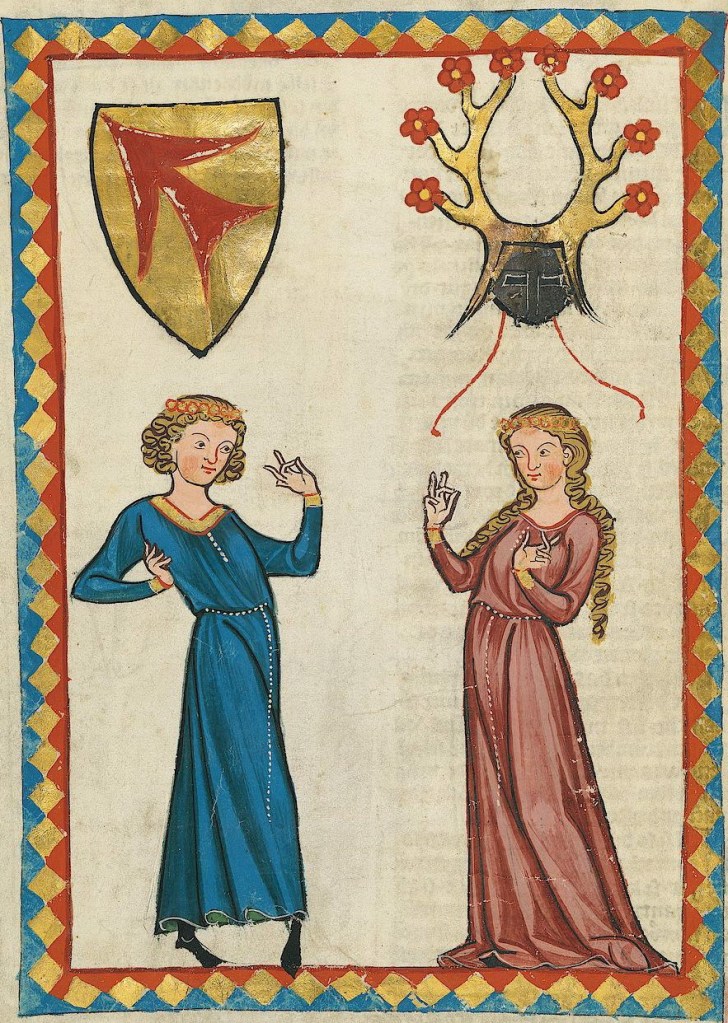
It is furthermore clearly apparent from angelic ideas, which are independent of space, that nothing in the created universe has life except the human God alone, or the Lord, that nothing moves except as the result of life from Him, and that nothing has existence except through the sun from Him – consequently that it is a truth that in God we live, move, and have our being.
Divine Love and Wisdom §301
But the invitation to participate in this life does not end with an invitation “to the dance.” There is even stronger imagery, echoed in the call of Jesus to His true love to join His dance: the invitation to enter into a marriage covenant with God Himself. The invitation from the Lord to the Church is not to half-heartedly or for a short time be joined to Him: it is an invitation to a full and eternal covenant, that is never to be broken.
And here, at the end of the book, the Lord speaks and the church speaks, like a bridegroom and bride. The Lord says, “Surely I am coming quickly. Amen.” And the church says, “Even so, come, Lord Jesus!” These are the words of a betrothal looking to a spiritual marriage.
Apocalypse Revealed §960
We the church are the Lord’s true love, and are everyday called to join Him in the Divine dance that is a spiritual marriage.

 New Church Christmas Carols